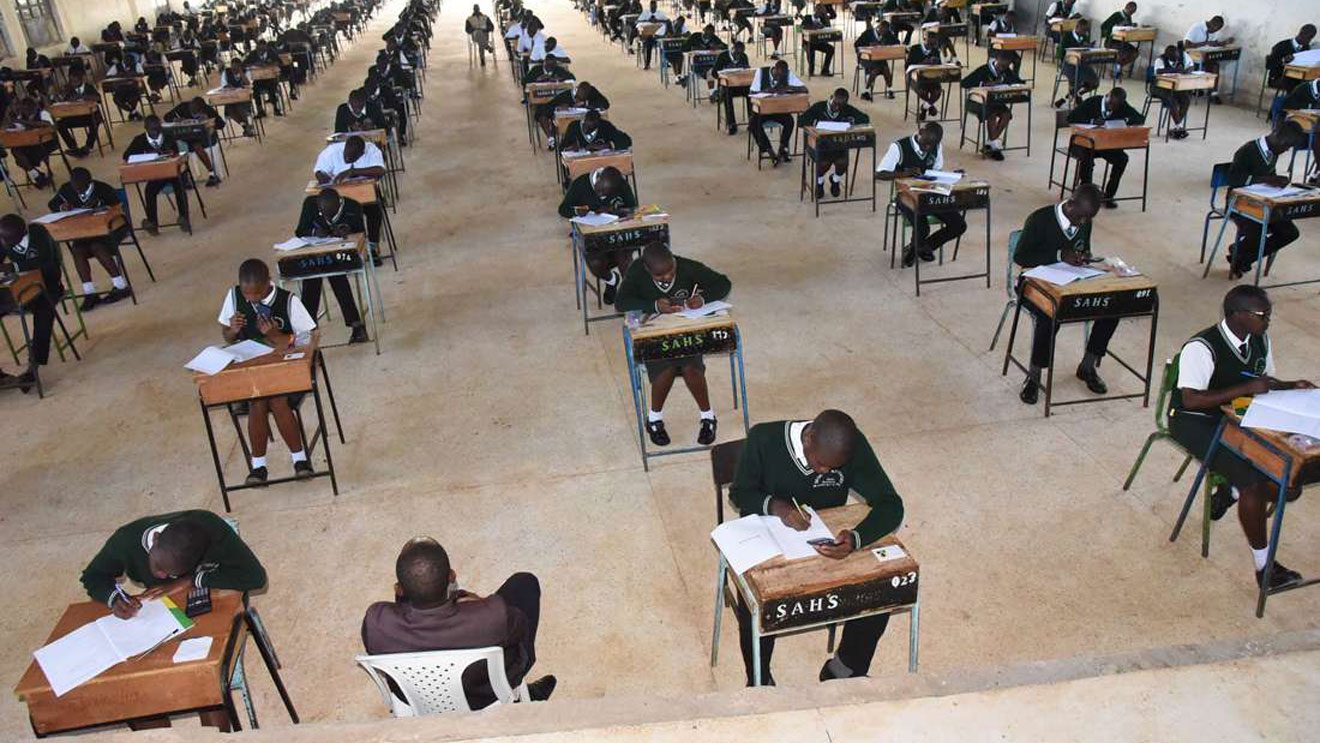
More than 260,000 learners expected to progress through Kenya’s education system and sit national examinations this year are unaccounted for in the latest registration figures, raising questions about the government’s policy of ensuring a smooth transition from primary to secondary education. Data from the Kenya National Examinations Council (KNEC) shows that 1,233,852 candidates sat the Kenya Certificate of Primary Education (KCPE) examination in 2022. However, only 1,048,355 candidates registered for the Kenya Certificate of Secondary Education (KCSE) examination this year, representing a difference of 185,497 learners. Similarly, 1,281,210 learners undertook the Kenya Primary School Education Assessment (KPSEA) in 2023, but only 1,206,028 registered for the Kenya Junior School Education Assessment (KJSEA) this year. The difference stands at 75,182 learners. Combined, the two groups account for 260,679 learners who are missing from the expected numbers progressing to the subsequent national examinations and assessments. The figures have raised concerns about whether all learners are successfully transitioning through the education system, particularly under the government’s commitment to ensuring that every child receives an opportunity to continue learning. However, the discrepancy does not necessarily mean that all the learners have dropped out of school. Some may have died, transferred to alternative education systems or experienced delays in progressing to the next level. Government Explains Missing Learners Education Cabinet Secretary Julius Ogamba said several factors could explain the differences between the numbers of learners who sat previous examinations and those registered for the current assessments. According to Ogamba, some learners may have died or become unable to continue with their education, while others have moved to alternative education systems, including international schools. “Some of this shortfall is attributable to natural circumstances, including learners who have died or are unable to continue with their education. Others have moved to alternative education systems, such as international schools,” Ogamba said. He added that some learners temporarily discontinue their studies because of early pregnancies or illness but are allowed to return to school and continue with their education. The explanation highlights the challenges involved in tracking learners throughout the education system, particularly when they transfer between institutions or experience circumstances that interrupt their studies. Nevertheless, the figures raise questions about the effectiveness of existing mechanisms for monitoring school attendance, identifying learners at risk of dropping out and ensuring that those who leave school temporarily are supported to return. Education stakeholders may also need to establish how many learners have transferred to alternative systems, how many have experienced temporary interruptions and how many have permanently discontinued their education. Such information would help determine the extent of the problem and identify the interventions needed to improve retention and transition rates. National Assessments and KCSE Examinations Underway Meanwhile, Grade Six and Grade Nine learners are beginning their respective national assessments as KCSE examinations continue across the country. A total of 3,634,846 candidates have registered for the three examinations and assessments. The exercise represents a major undertaking for education authorities, schools, examination officials and security agencies tasked with ensuring that the process runs smoothly. KNEC has deployed thousands of examination officials and supervisors to oversee the exercise and safeguard the integrity of the assessments. The council has also introduced measures aimed at preventing examination irregularities and ensuring that candidates comply with the established rules. KNEC Warns Against Mobile Phone Use KNEC Chief Executive Officer David Njengere warned that mobile phones would not be permitted during the KCSE examinations. He said candidates who violated the rule would face consequences under the council’s examination regulations. “Any breach of this rule will be treated as an examination irregularity under KNEC laws and regulations,” Njengere said. The restriction is intended to prevent cheating and protect the credibility of the national examinations. Mobile phones and other unauthorised electronic devices have long been a concern for examination administrators because they can potentially be used to access or share prohibited information. KNEC has therefore emphasised the importance of strict adherence to examination regulations by candidates, invigilators and other personnel involved in administering the tests. The council is also using security-branded seals on containers used to store examination papers as part of efforts to strengthen the security of examination materials. The measures are intended to reduce the risk of unauthorised access and protect examination papers throughout their storage, transportation and distribution. KUPPET Dispute Threatens Examination Operations Despite the security measures, a dispute over payments for teachers involved in administering the examinations remains unresolved. The Kenya Union of Post-Primary Education Teachers (KUPPET) has urged its members to refrain from participating in KNEC activities until their grievances are addressed. KUPPET Deputy Secretary-General Moses Nthurima said the dispute was not solely about delays in payment but also concerned the amount teachers receive for their examination duties. “We insist that teachers should not participate in examination activities because that amounts to a form of slavery,” Nthurima said. The union's position presents a challenge for examination administrators, who depend on teachers and other education personnel to supervise candidates and ensure that examinations are conducted according to established procedures. The disagreement also highlights broader concerns about the compensation and working conditions of teachers assigned additional responsibilities during national examinations. KUPPET has maintained that the concerns raised by its members must be addressed before they can fully participate in the activities organised by the examinations council. The dispute comes at a critical time when millions of learners are undertaking examinations and assessments that will influence their progression to the next stages of education. Any disruption to examination administration could place additional pressure on education officials, schools and candidates. School Heads Raise Concerns Over Government Inspections At the same time, school heads have appealed to Parliament to suspend inspections and visits by government officials to schools until the examination period ends. They argue that the visits are interfering with preparations and disrupting the concentration of school administrators during an already demanding period. School heads maintain that institutions require sufficient time and space to coordinate examination activities, manage candidates and ensure compliance with examination requirements. They believe that postponing non-urgent inspections until after the examinations would allow school administrators to focus on their immediate responsibilities. However, the proposal has raised questions about how the government should balance the need to protect examination preparations with its responsibility to oversee the use of public resources. Wetang’ula Defends Public Accountability National Assembly Speaker Moses Wetang’ula said accountability in the use of public resources could not be suspended, even during the national examination period. He maintained that public officials have a constitutional obligation to ensure that government resources are used appropriately. “Accountability in the use of public resources is not optional. It is a constitutional obligation,” Wetang’ula said. His remarks suggest that parliamentary and government oversight activities must continue despite the demands associated with the national examinations. The disagreement reflects the competing priorities facing schools and public institutions during the examination period. While school administrators want to minimise disruptions, government officials insist that oversight remains necessary to safeguard public funds and ensure compliance with the law. Education Transition Policy Under Scrutiny The discrepancy involving 260,679 learners has brought renewed attention to the government's commitment to ensuring that children progress through the education system. Although the figures alone do not establish that all the affected learners have dropped out, they highlight the importance of maintaining accurate records and tracking learners as they move from one level of education to another. The government faces the challenge of distinguishing between learners who have transferred to other education systems, those who have temporarily interrupted their studies and those who may have permanently left school. Education stakeholders are likely to seek clearer explanations of the figures and stronger measures to ensure that learners who face barriers to education receive the necessary support. As national examinations continue, attention will remain focused on examination security, teachers' welfare, school administration and the government's ability to ensure that every learner has an opportunity to complete their education. Ultimately, establishing the whereabouts and educational status of the 260,679 learners will be crucial in determining whether the reported gap reflects administrative and demographic changes or a more significant challenge in retaining learners within Kenya's education system.